
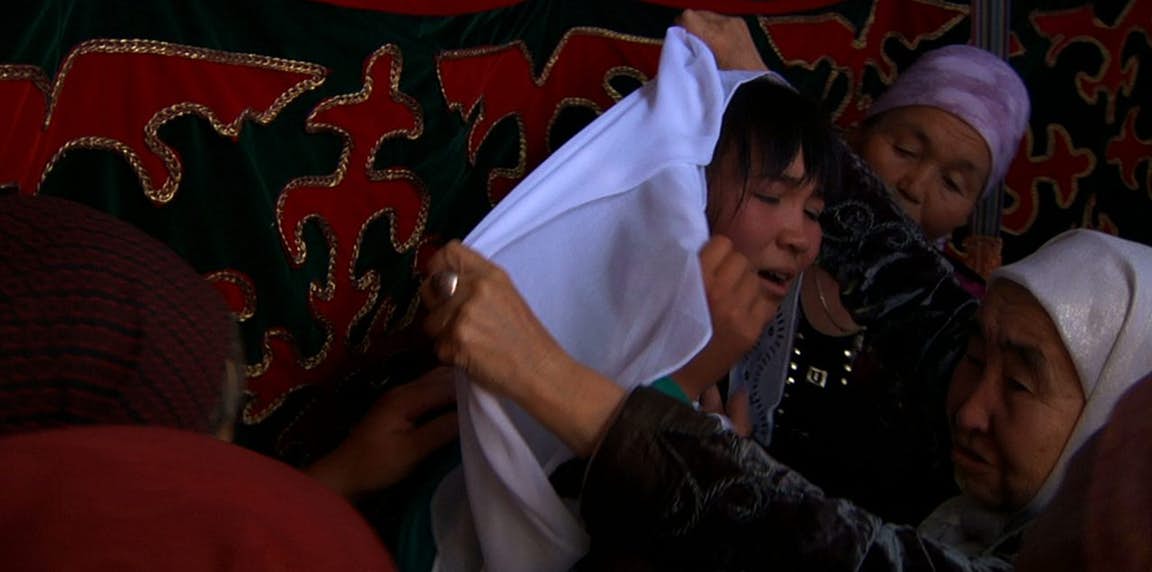
To start this project, I chose to first discuss bride kidnapping in Kyrgyzstan, also known as “Ala Kachuu” (to take and flee). I chose to discuss the Kyrgyz’s culture first simply because we should all be relatively familiar with the concept, given that we discussed this in class. Kyrgyzstan is a country in Central Asia, and is the most known country for bride kidnapping. In a recent survey taken in Kyrgyzstan in 2015, 14% of women reported that they were kidnapped for marriage. However, nongovernmental surveys have reported that a low of 40% and a high of 75% of all marriages in Kyrgyzstan marriages involved bride kidnapping (Farangis Najibullah, Bride Kidnapping: A Tradition or a Crime?), Radio Free Europe (21 May 2011). Of 12,000 yearly reported bride kidnappings, around 2,000 women have also reported that they were raped by their abductor (http://www.news.com.au/lifestyle/real-life/news-life/its-hard-to-believe-that-bride-kidnapping-exists-in-2017/news-story/9e7a445078231d94da67be33e3bb9157). This would prohibit a woman from being eligible for marriage with another man. Although this practice is illegal, kidnappers are rarely prosecuted.
United States State Department, Kyrgyz Republic: Country Reports on Human Rights Practices – 2007, 11 March 2008
Kleinbach, Russ; Salimjanova, Lilly (2007). “Kyz ala kachuu and adat: Non-consensual bride kidnapping and tradition in Kyrgyzstan”. Central Asian Survey. 26 (2): 217–233. doi:10.1080/02634930701517466.
 Bride Kidnapping Across Different Societies